


Infinite Galaxy
3.21.16K Reviews
App Specs
- Version
- 3.2.0
- Updated On
- License
- Free
- Downloads
- 5,000,000+
- Developer
- CamelStudio
- Categories
- Strategy
- Platform
- Android
Screenshots
 Analysis by AppCompare
I approach Infinite Galaxy as a long-running strategy commitment, not a quick space-themed diversion. Its appeal is the mix of developing a station, planning fleets, and exploring a broad galaxy, with decisions that can stretch beyond a single play session. I enjoy that sense of gradual progress, but it also means the game suits players who like checking in and thinking ahead more than those looking for a self-contained mission they can finish in a few minutes.
What the current version tells me
CamelStudio’s game is currently at version 3.2.0, following its release on January 11, 2021. That history gives the experience the feel of an established mobile strategy title rather than a brand-new experiment. It has attracted over five million installs, while its average rating is 3.2 from around thirty-one thousand ratings. I would treat those figures as a reason to set realistic expectations: there is a sizeable audience, but the response is mixed, so the style and pace will matter more than the space setting alone.
The game is free to start, and its age rating is Everyone 10+. Optional in-app purchases range from $0.99 to $99.99 per item, so I’d decide on a spending limit before getting invested in upgrades or progression. A free entry point makes it easy to try the game, but it doesn’t mean every route through a strategy game will feel equally quick or convenient without purchases.
How to get more from a session
I find it useful to give each visit a purpose. Rather than opening the game and tapping through every available activity, I’d first decide whether I’m focusing on station development, resource needs, or preparing a fleet. That small habit makes the many strategic demands easier to manage and helps avoid spending resources on upgrades that don’t support the next goal.
For exploration, I’d think of a fleet dispatch as a task to plan around real life. Set a goal before sending ships out, such as looking for resources or discovering unfamiliar parts of the galaxy, then return when you have time to act on what they bring back. This is more satisfying than treating exploration as passive background activity: the value comes from connecting what you uncover to your station’s needs and the fleet you want to build.
Fleet preparation also rewards a pause before committing. The original appeal is not simply watching ships fight; the choices involving ship types, commanders, and positioning give battles a planning layer. I would use the time before a difficult engagement to check whether the fleet has a clear role and whether the station’s development supports it. When resources are tight, strengthening every option at once is likely to feel wasteful; choosing one practical improvement can make a clearer difference to your plan.
First Impressions and Setup
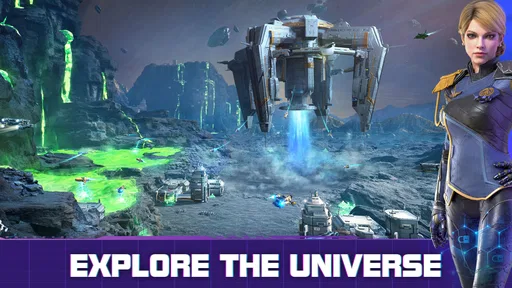
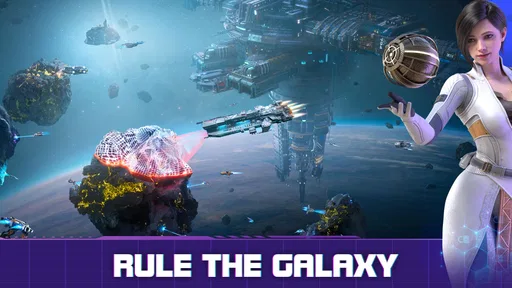
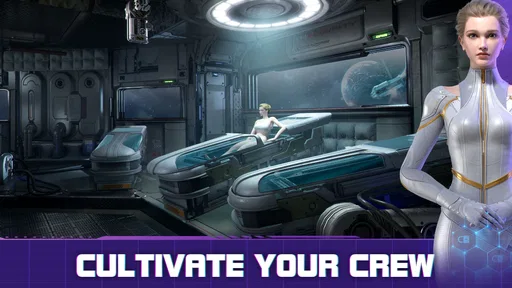
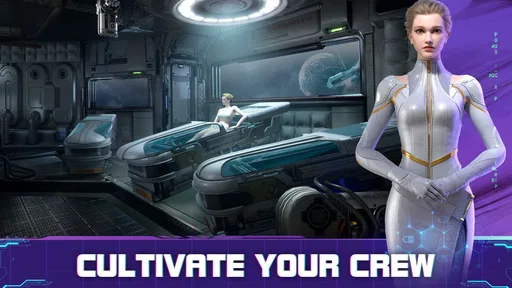
Jumping into Infinite Galaxy, I was immediately struck by the game's stunning visuals. The graphics are top-notch, with sleek starships and vibrant cosmic backdrops that make you feel like you're in a sci-fi movie. Setting up was a breeze; a quick download and I was off exploring the galaxy.
Worth Reading Before You Choose

EA SPORTS FC Mobile 26 Is a Bigger Football Game, but It Takes Time

Flipboard Shows What News Apps Must Do Beyond the Feed

Switching to Android Auto Means Rethinking Your Driving Routine

Google Calendar Makes a Crowded Week Easier to Manage

Ludo King Makes the Most of the Minutes Between Plans

Baby Panda World Brings Quick Play to Modern Phones, but Its Game Library Feels Busy
The initial tutorial is super helpful, especially if you're new to this kind of game. It guides you through building your base, recruiting commanders, and starting your first missions. Before I knew it, I was knee-deep in strategic decisions and battles.
Gameplay and Features
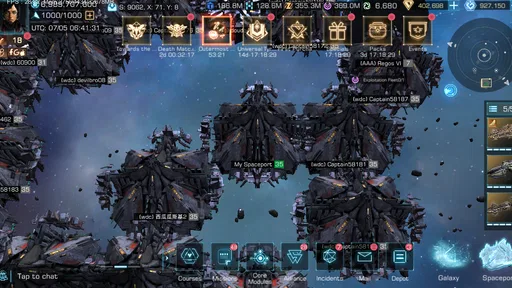
The core of the game is building and managing your space station. You’ll need to upgrade facilities, research technologies, and keep an eye on resources. It's a delicate balance, but that's where the fun lies. If you're into strategy games, you'll find yourself right at home here.
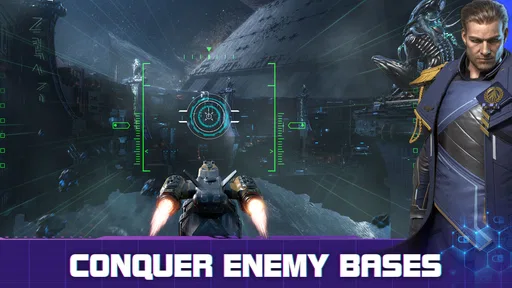
One of the standout features is the fleet battles. They're not just about brute force; strategy plays a huge role. You need to think about ship types, commander skills, and positioning. I got a real kick out of orchestrating my perfect fleet and watching it in action.
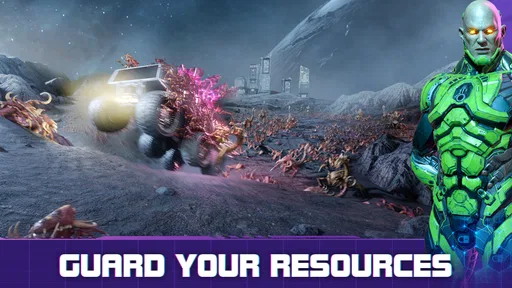
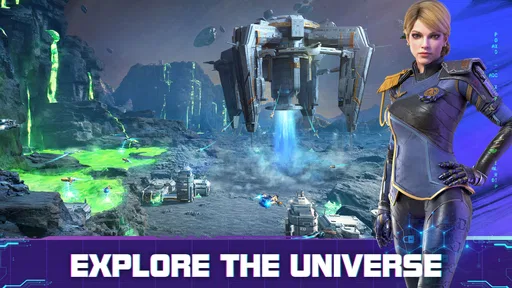
Exploration is another big part of the game. The galaxy is vast and full of mysteries. I spent hours just sending out my fleet to discover new star systems, gathering resources, and encountering alien factions. It keeps the game feeling fresh and exciting.
Community and Multiplayer
What really hooked me was the multiplayer aspect. Joining alliances and teaming up with other players adds a whole new layer to the game. The community is active and welcoming, which makes for some epic cooperative events. Whether it’s teaming up for a massive battle or trading resources, there's always something happening.
The chat feature is also handy for strategizing with your alliance. I found myself making friends from all over the world, all thanks to our shared love for space conquest.
Challenges and Strategy
Now, don’t get me wrong, Infinite Galaxy isn’t all smooth sailing. The game can get pretty challenging, especially when managing resources. There were times when I had to really think about my next move to avoid getting wiped out by stronger opponents.
It’s all about long-term strategy. You need patience and a good plan to build a powerful fleet and a thriving station. But for those who enjoy a good strategic challenge, it’s incredibly rewarding.
Who will enjoy the pace?
I’d recommend this to players who like persistent strategy: people who enjoy watching a station develop, weighing upgrades against one another, and coordinating plans with an alliance. It can also work well for someone who wants a space game to revisit between other parts of the day, provided they enjoy making progress over time rather than expecting a complete adventure in one sitting.
For example, I can imagine checking in during a lunch break to review the station’s needs, set a research or fleet goal, and then leave the galaxy alone until the evening. On returning, I’d have a reason to make another decision instead of simply repeating the same action. That rhythm is a strength when it fits your routine, but a frustration if you prefer games that reward uninterrupted play with a clear ending.
Where it differs from other strategy games
Compared with a short tactical strategy game, this is less about a sequence of compact battles and more about building a broader operation around a space station and fleets. Compared with a solo campaign, its alliance and multiplayer layer gives planning a social dimension. That difference is important: players who want a tightly authored story or battles that can be completed and put aside may prefer a campaign-focused alternative.
Its blend also asks for more patience than a simple base-building game. Station upgrades, resource choices, exploration, and fleet preparation all compete for attention. I’d avoid trying to optimize everything at once. Pick a near-term objective, make the upgrades that support it, and reassess before committing scarce resources elsewhere. This makes the strategic layer feel deliberate rather than like a checklist.
Trade-offs before you commit
The main friction for me is the tension between long-term growth and the immediate pressure of competing with stronger opponents. If I want a relaxed experience, that competitive element can make every decision feel more consequential than I’d like. A player who dislikes waiting, resource management, or multiplayer pressure should think carefully before settling in; a more self-contained puzzle or turn-based title would be a better fit.
I’d also keep the purchase model in mind without assuming that spending is necessary to enjoy the game. Since optional items have a wide price range, I’d use the free start to judge whether the pacing itself works for me. If progress starts to feel like a chore, I wouldn’t treat a purchase as the automatic solution. It’s better to decide whether the underlying loop—station management, exploration, and fleet planning—is enjoyable on its own.
What to look for as you play
Because the game has reached version 3.2.0, existing players are engaging with an established release, but a version number alone doesn’t tell me exactly which systems have changed or how each update affects a particular account. I’d focus on what I can observe in my own play: whether the tutorial prepares me for later choices, whether the available activities support my goals, and whether my alliance’s expectations match the time I want to spend.
For someone returning after a break, I’d begin with a quick review of the station, resources, and fleet before making major changes. That gives a useful baseline and reduces the chance of spending supplies impulsively just to feel caught up. For a new player, the opposite approach works: follow the early guidance, learn what each station decision contributes, and resist expanding in every direction until a priority becomes clear.
My recommendation
After spending quite some time in the universe of Infinite Galaxy, I can safely say it's one of the most engaging space strategy games I've played. The combination of base building, fleet battles, and exploration is addictive. Plus, the community aspect adds a social element that keeps you coming back for more.
My recommendation is conditional rather than universal. If you enjoy patient planning, social coordination, and the satisfaction of shaping a space operation over many visits, I think it is worth trying for free. If you want a neatly paced story, brief tactical matches, or a game that never asks you to manage resources over time, I’d choose something else. The rating and broad player reach suggest plenty of people have tried it, but whether it clicks comes down to how much you enjoy its particular balance of planning, competition, and ongoing progress.
So, if you’re ready to embark on a journey through the stars and flex your strategic muscles, this game is definitely worth a download. Just remember, space is vast, so keep your wits about you and enjoy the ride!
Pros
- Stunning graphics enhance gameplay immersion.
- Expansive universe with endless exploration.
- Strong community support and alliances.
- Frequent updates with new content.
- Engaging storyline with rich lore.
Cons
- In-app purchases can be pricey.
- Requires constant internet connection.
- Learning curve for new players.
- Some missions feel repetitive.
- Device battery drains quickly.
FAQs for Infinite Galaxy
What is the main objective of Infinite Galaxy?
Infinite Galaxy is a space exploration and strategy game where players build fleets, manage resources, and engage in epic battles across the galaxy. The main objective is to expand your influence by forming alliances, conquering territories, and uncovering the mysteries of the universe.
Can I play Infinite Galaxy offline?
No, Infinite Galaxy requires an active internet connection to play. The game involves real-time strategy elements, alliances with other players, and global events, which all necessitate being connected to the internet at all times.
Is Infinite Galaxy free to play?
Yes, Infinite Galaxy is free to download and play. However, it offers in-app purchases for various items and upgrades, which can enhance gameplay. Players can choose to spend money to accelerate their progress, but it is not necessary to enjoy or succeed in the game.
What devices are compatible with Infinite Galaxy?
Infinite Galaxy is available on both Android and iOS devices. It is compatible with a wide range of smartphones and tablets, but it is recommended to have a device with updated software and sufficient processing power to ensure smooth gameplay and optimal graphics.
How does the alliance system work in Infinite Galaxy?
The alliance system in Infinite Galaxy allows players to team up with others to achieve common goals. By joining an alliance, players can participate in cooperative missions, share resources, and strategize together for larger battles. This system enhances the social aspect of the game and provides strategic advantages.


